1. Case Overview
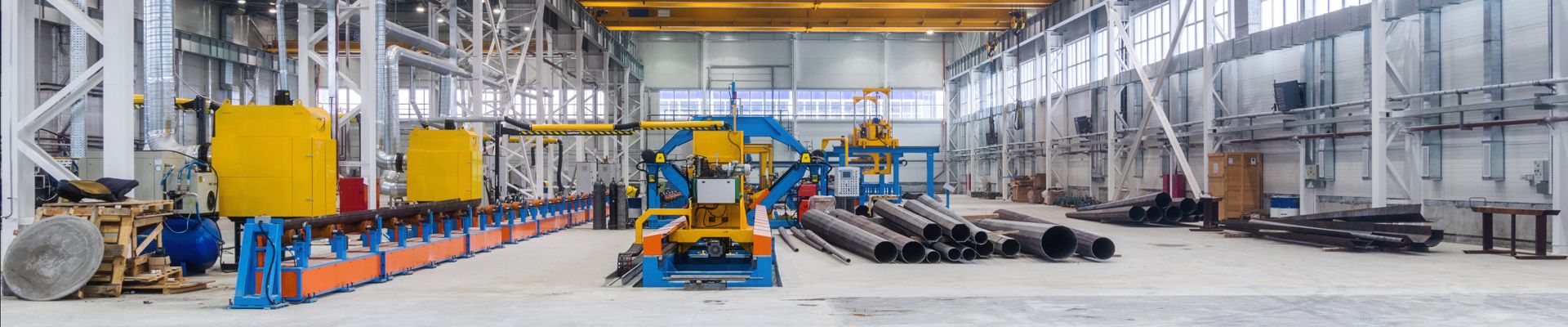
This case focuses on the mechanical handling optimization project of a machinery manufacturing workshop, which is mainly responsible for the handling, transfer, stacking and assembly auxiliary transportation of metal raw materials, finished parts and semi-finished products. The workshop originally adopted a mixed mode of manual handling and simple mechanical auxiliary handling, which had prominent problems such as low handling efficiency, high labor intensity, frequent handling safety hazards and inconsistent material transfer accuracy. By systematically optimizing the mechanical handling equipment, process flow and operation specification, the workshop realizes standardized, mechanized and safe material handling operations, effectively improves production operation efficiency and reduces production safety risks. This case is applicable to the daily material handling management and process improvement of mechanical processing workshops.
2. Pre-optimization Problems
2.1 Low Handling Efficiency and High Labor Cost
Before the optimization, the workshop’s heavy-duty raw materials (steel plates, steel pipes, etc.) and large-scale mechanical parts mainly relied on manual cooperation with small trolley handling. A single batch of production materials required 3-5 workers to complete the handling and stacking work, with long operation cycle and slow material turnover speed. The frequent waiting for materials in the production link leads to the stagnation of processing procedures, which directly restricts the overall production capacity of the workshop. At the same time, long-term manual heavy handling leads to high employee turnover rate and increased labor recruitment and training costs.
2.2 Prominent Safety Hazards
The workshop lacks unified mechanical handling operation standards. The random use of simple handling tools and irregular manual carrying behaviors easily cause safety accidents such as material slipping, extrusion and falling. In addition, the stacking of materials in the handling process is disorderly, which occupies the workshop passage, affects the operation route of equipment, and easily triggers secondary safety risks such as equipment collision. Within one year before the optimization, 8 minor safety accidents related to material handling occurred in the workshop, including worker bruising and material damage.
2.3 Inconsistent Handling Accuracy and Serious Material Loss
Manual handling is affected by human factors such as operation experience and physical state, and the placement position and angle of precision mechanical parts are prone to deviation, resulting in inaccurate docking in the subsequent assembly process and increasing the rework rate. At the same time, improper manual handling and stacking easily cause surface scratches, deformation and damage of metal parts and raw materials, resulting in unnecessary material waste and increasing the production cost of the workshop.
3. Optimization Implementation Scheme
3.1 Equip Specialized Mechanical Handling Equipment
According to the types, weight and handling scenarios of workshop materials, the workshop has been equipped with targeted mechanical handling equipment to replace most manual heavy operations. For heavy raw materials and large parts, electric forklifts and gantry cranes are configured to realize vertical lifting and horizontal rapid transfer of materials; for medium and small precision parts, electric handling trolleys and vacuum suction handling equipment are adopted to ensure stable and accurate material transfer; for short-distance stacking and sorting of materials, hydraulic stacking machines are matched to realize standardized stacking of materials. All equipment is regularly maintained and inspected by special personnel to ensure stable operation.
3.2 Standardize Handling Operation Process
Formulate a complete Workshop Mechanical Handling Operation Specification, clarify the applicable scenarios, operation steps, personnel access standards and safety protection requirements of each handling equipment. Divide the workshop handling area reasonably, plan special handling channels, material stacking areas and equipment operation areas, and avoid cross-operation of handling, processing and assembly links. Standardize the whole process of material picking, handling, stacking and delivery, and require operators to carry out handling operations in strict accordance with the process, and record the handling information to realize traceable material transfer.
3.3 Carry Out Professional Operation Training
Organize all handling operators and workshop front-line employees to carry out mechanical handling professional training, including equipment operation skills, safety operation specifications, risk identification and emergency disposal methods. Arrange professional technicians to conduct on-site demonstration teaching, and conduct post assessment for employees. Only those who pass the assessment can take up their posts independently. Regularly carry out special safety drills for handling operations to improve employees' safety awareness and standardized operation ability, and eliminate irregular operation behaviors from the source.
4. Implementation Effect
4.1 Significant Improvement in Handling Efficiency
After the implementation of the mechanical handling optimization scheme, the manual participation in heavy handling operations is reduced by 80%, and the number of employees required for a single batch of material handling is reduced to 1-2 people. The handling cycle of raw materials and parts is shortened by 45%, the material turnover efficiency is greatly improved, the problem of production waiting for materials is completely solved, and the overall production efficiency of the workshop is increased by 30%. The daily handling capacity of the workshop is stable and efficient, which can fully meet the production rhythm requirements.
4.2 Effective Control of Safety Risks
With the standardized mechanical handling operation and standardized site management, the disorderly handling and random stacking of materials in the workshop are completely rectified. The special handling channel ensures the smooth operation of equipment and personnel, and eliminates potential safety hazards such as material extrusion and equipment collision. In the 12 months after the optimization, zero safety accidents related to material handling occurred in the workshop, and the workshop operation safety level was comprehensively improved.
4.3 Reduced Production Loss and Cost
Mechanical handling realizes stable and accurate material transfer and stacking, effectively avoids part deformation, scratch and damage caused by manual operation errors, and the workshop material loss rate is reduced by 28%. The accurate placement of parts reduces the assembly deviation and rework probability, and the product qualified rate is increased from 95.2% to 99.1%. At the same time, the mechanized operation reduces the demand for manual labor, saves labor costs and improves the economic benefits of the workshop.
5. Case Summary
Workshop mechanical handling is a key auxiliary link in workshop production and operation, which directly affects production efficiency, operation safety and production cost. The traditional manual and simple auxiliary handling mode can no longer adapt to the standardized and efficient production needs of modern mechanical workshops. Through the configuration of professional mechanical handling equipment, standardized operation process and systematic personnel training, this case realizes the full optimization of workshop mechanical handling work.
The practice proves that standardized mechanical handling can not only significantly improve workshop material handling efficiency and reduce labor intensity, but also effectively eliminate operation safety hazards, reduce material loss and rework costs, and provide solid support for the stable and efficient operation of workshop production. This optimization scheme has strong practicability and reference significance for the mechanical handling management of similar processing workshops.





 zcmx@xtczmx.com

 +86 15833656013